01
Map the PPI interface
Identify binding determinants from SAR, crystal structures, and substrate peptides that mediate allosteric or non-catalytic kinase functions.

Rather than blocking ATP binding, PPI Pharmaceuticals targets protein-protein interactions that allosterically regulate kinase activity and other non-catalytic functions — interfaces long considered undruggable.
The problem
The numbers
1.6M+
New U.S. cancer diagnoses / year
Cancer remains second only to heart disease in total mortality.
~500K
U.S. cancer deaths / year
Highlights the persistent need for better-targeted therapies.
~80K
Prostate patients needing better options
Approximate cohort cited for improved treatment need.
$100K+
Cost per course of treatment
FDA approved drugs can cost over $100,000/course of treatment
| Prostate / Breast | Lung | Colorectal | ||||
|---|---|---|---|---|---|---|
| Prostate / Breast Men | Prostate / Breast Women | Lung Men | Lung Women | Colorectal Men | Colorectal Women | |
| Incidence | 238,590(28%) | 232,340(29%) | 118,080(14%) | 110,110(14%) | 73,680(9%) | 69,140(9%) |
| Mortality | 29,720(10%) | 39,620(15%) | 87,260(28%) | 72,220(26%) | 26,300(9%) | 24,530(9%) |
U.S. estimates shown in the company overview for prostate, breast, lung, and colorectal cancers. Percentages are each figure’s share of all cancers for that sex.
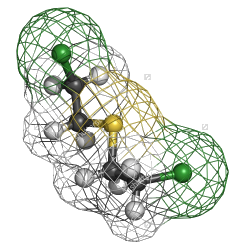
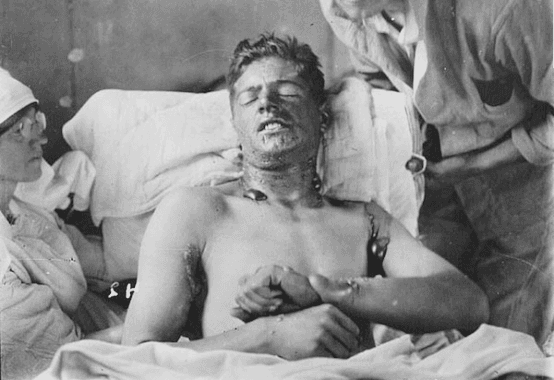
Many chemotherapy agents have been in use for decades and very toxic drugs.
Drug targets
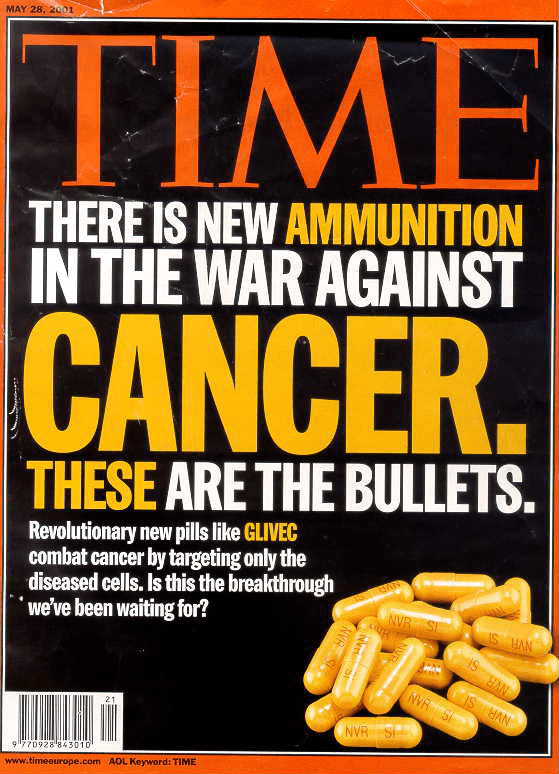
Of roughly 5–10,000 potential drug targets in the human genome, traditional pharma typically focuses on highly druggable pockets — the low-hanging fruit. Higher-risk interfaces, including many protein-protein interactions, were long avoided for lack of methodology. The McInnes laboratory developed REPLACE to make more of these targets accessible to drug development.
SM targets
Highly druggable catalytic pockets — the low-hanging fruit traditional pharma already works on.
Biologics
Antibodies and related modalities covering a smaller set of extracellular targets.
“Undruggable”
The large remainder, including many protein-protein interfaces. This is where REPLACE is aimed.
Many companies pursue cancer drug development; high attrition (~99%) means the field needs multiple approaches. REPLACE uniquely positions PPI Pharmaceuticals against kinase PPI interfaces that ATP-site and biologic strategies do not fully cover.
The solution
REPLACE converts peptidic protein-protein interaction determinants into selective oncology inhibitors.
The REPLACE strategy
01
Identify binding determinants from SAR, crystal structures, and substrate peptides that mediate allosteric or non-catalytic kinase functions.
02
Truncate peptide leads, select fragments by docking and scoring, and synthesize focused libraries that preserve critical contacts while shrinking molecular weight.
03
Iterate N- and C-terminal caps, peptide minimization, and phosphomimetic design to yield selective, cell-active small molecules for preclinical models.
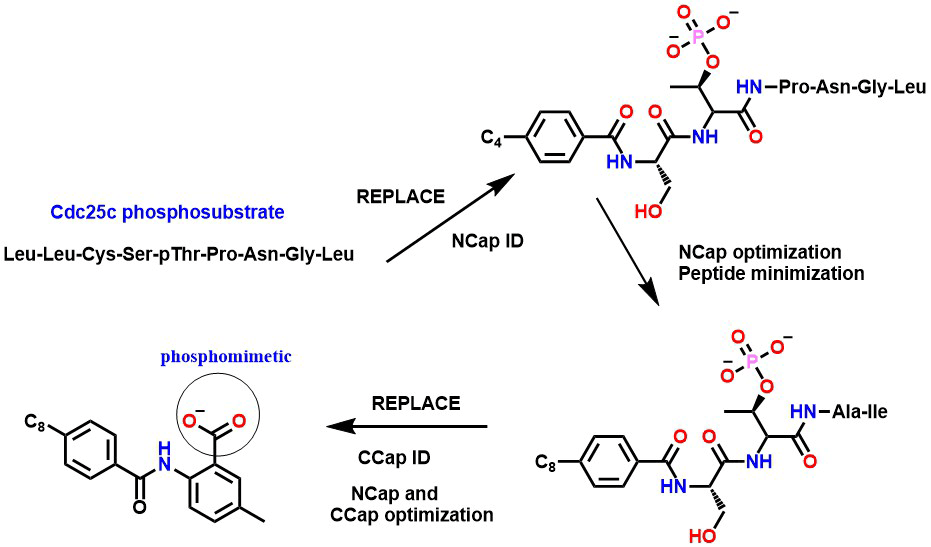
Letters A–D mark the path from a peptidic ligand, through fragment replacement, to a small-molecule inhibitor.
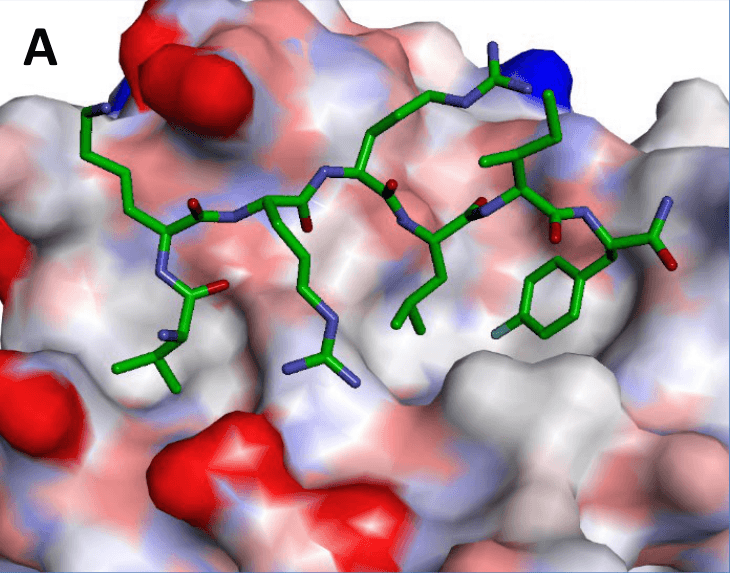
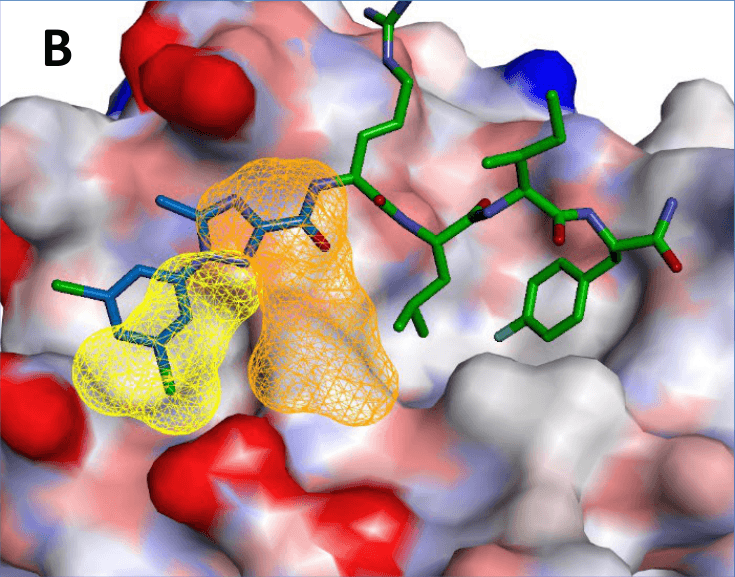
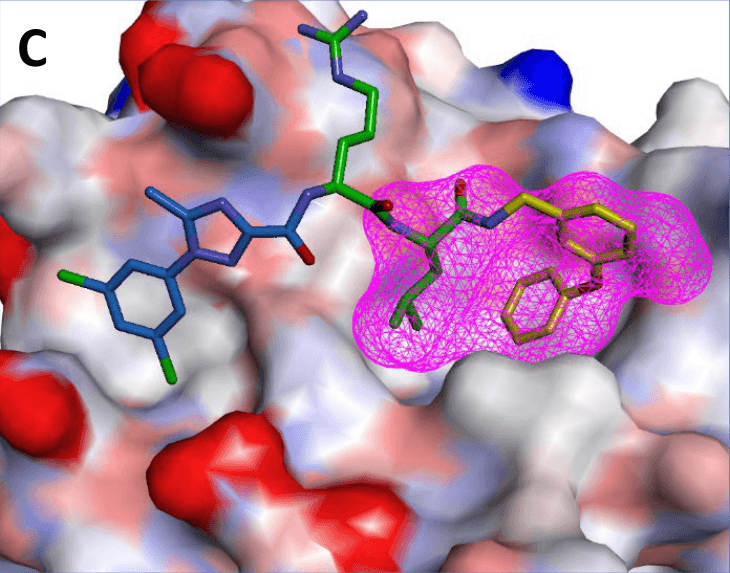
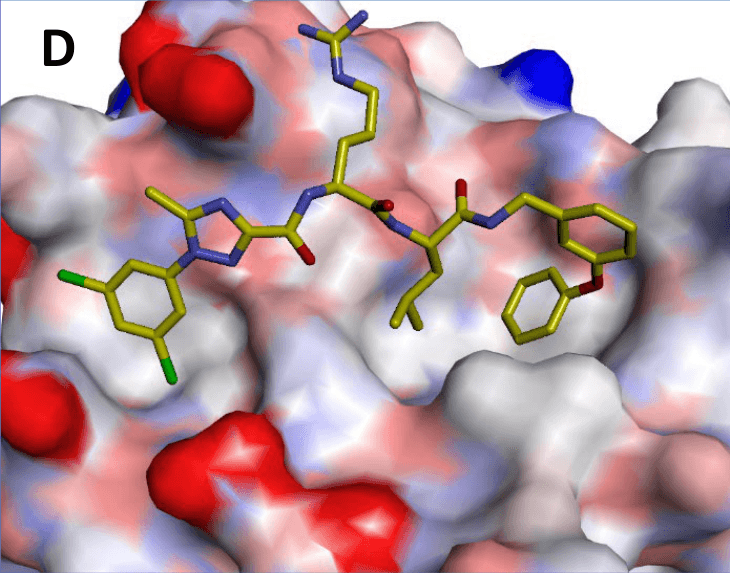
Polo-box domain inhibitors discovered through REPLACE, with Phase I STTR support for lead optimization, phenotypic analysis, drug-like property evaluation, and anti-tumor effects — including in vivo activity assessment in a prostate cancer model.
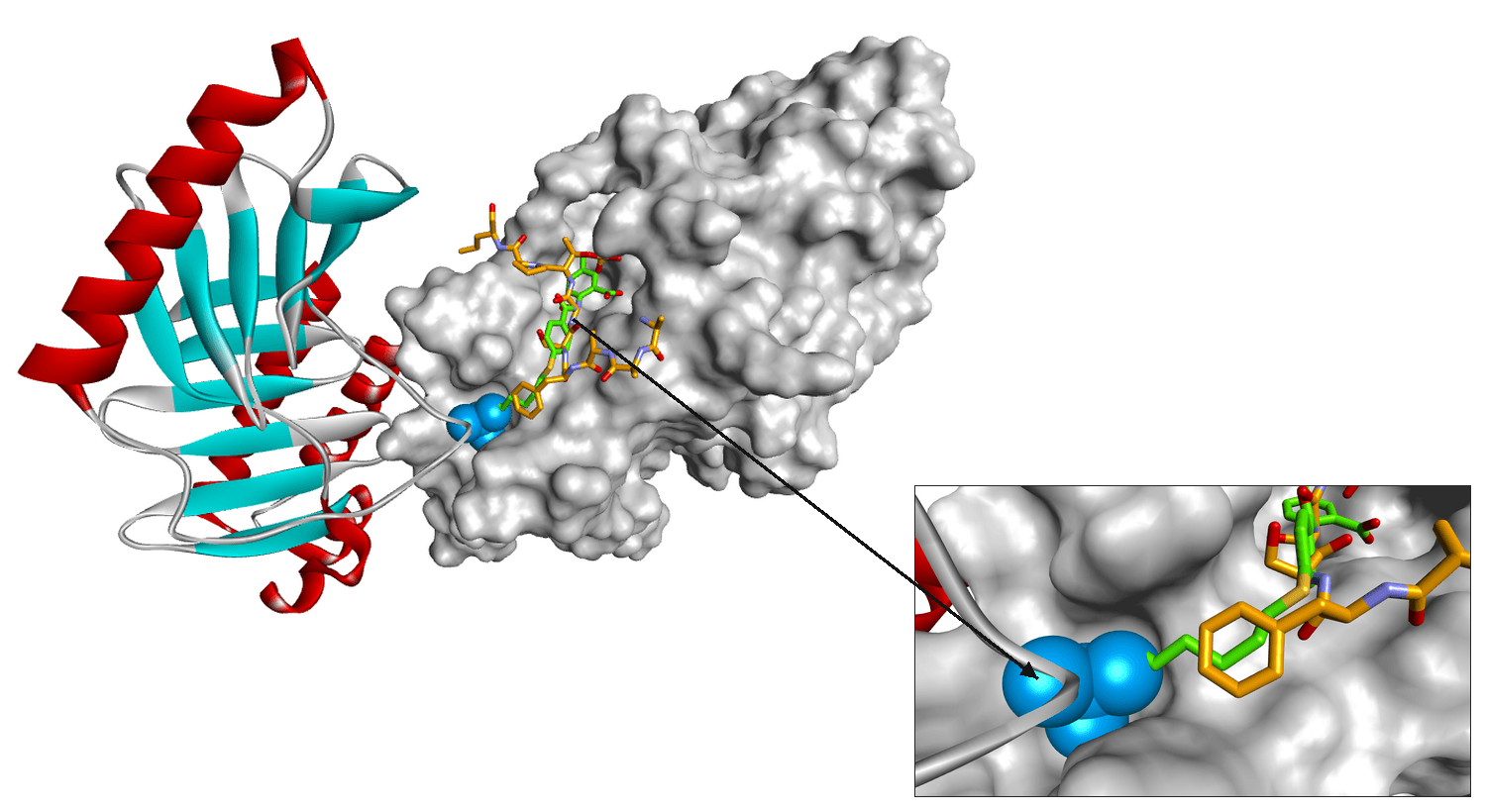
Aim 1: lead optimization of PBD inhibitors obtained through REPLACE.
Aim 2: phenotypic analysis, evaluation of drug-like properties, and anti-tumor effects, including determining in vivo activity in a prostate cancer model.
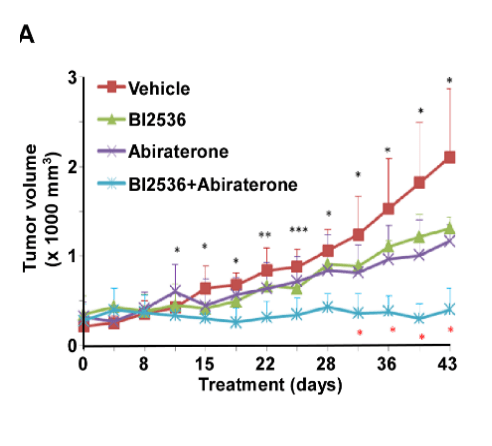
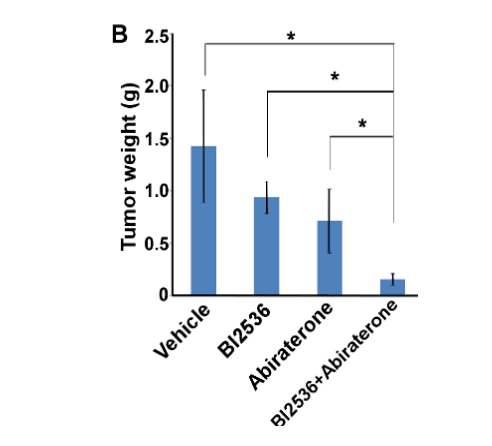
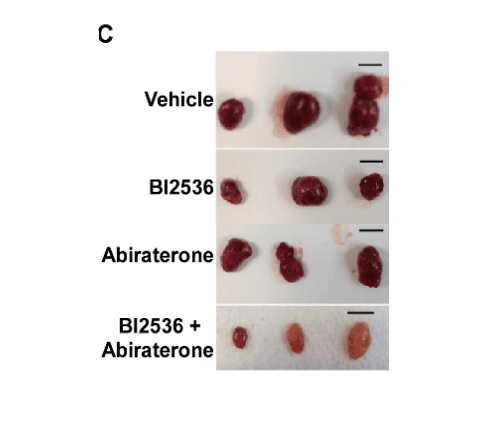
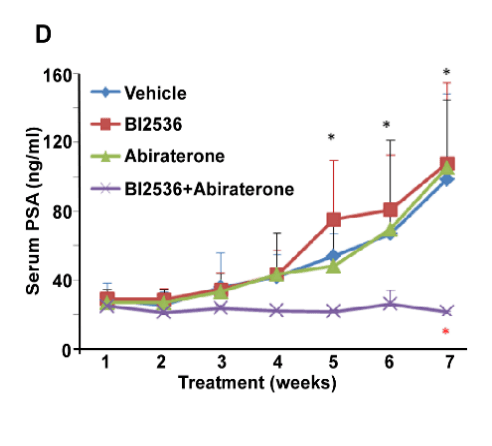
In a prostate cancer model, PLK1-pathway inhibition combined with abiraterone reduced tumor volume, tumor weight, and serum PSA versus either agent alone.
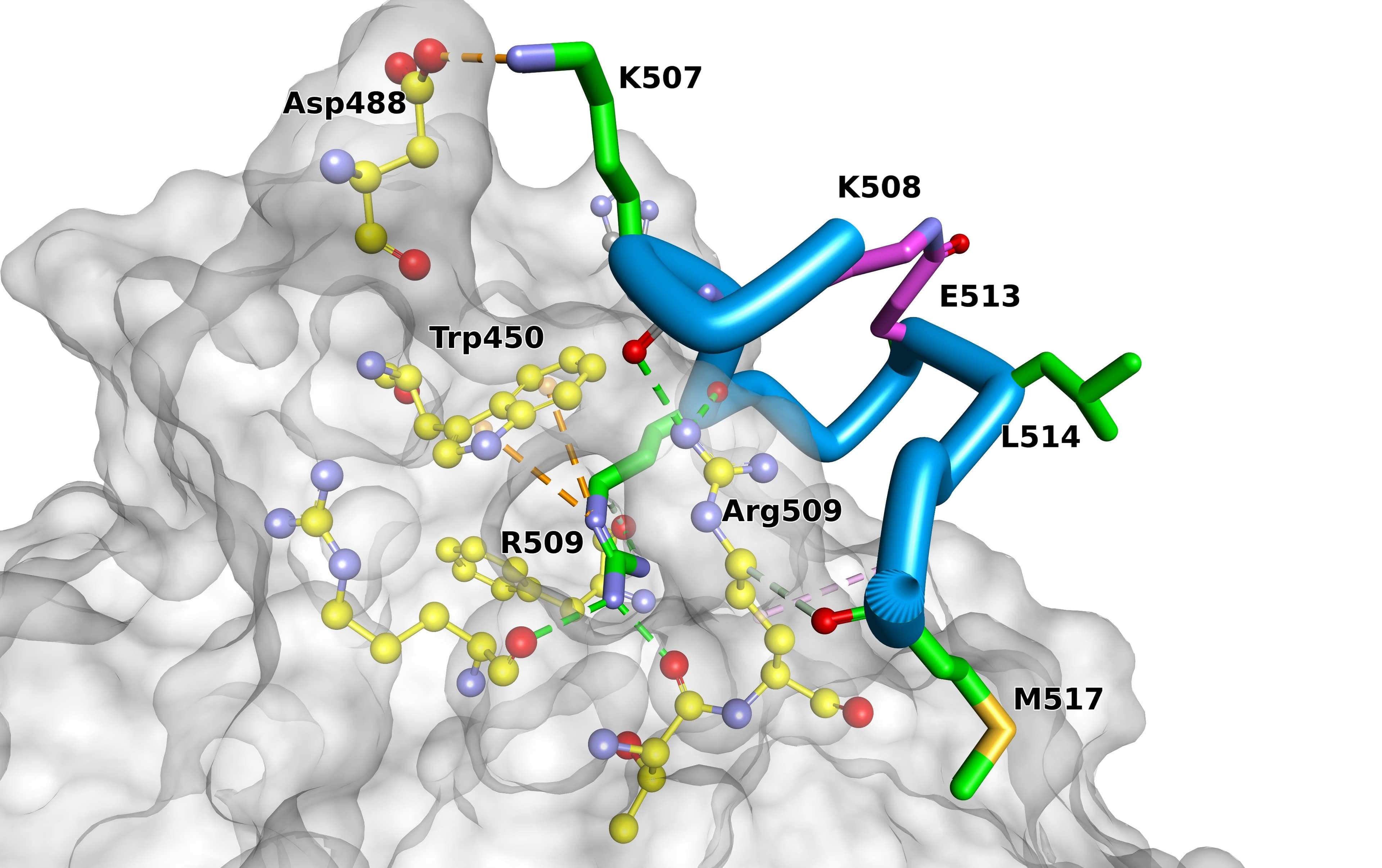
BRAF inhibitor — targeted therapeutic